

Save Up to 77% on Solar Heat: Tampa Bay Impact Window Treatments
October 8, 2026
Clean Roman Shades Safely: Why Dust Beats Steam
October 10, 2026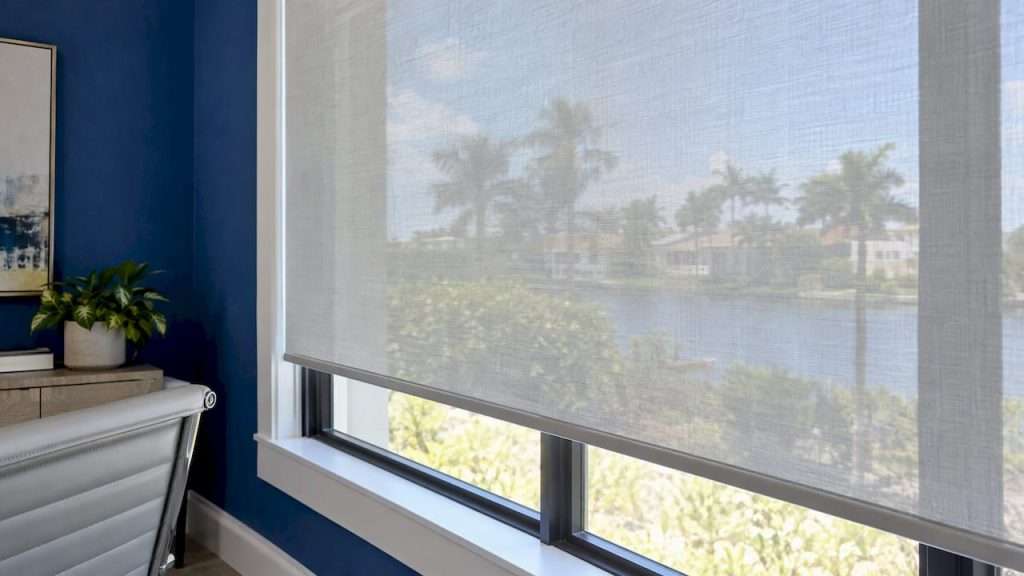
The fastest route to privacy without losing light is light-filtering film or top-down/bottom-up shades, often layered with sheers for round-the-clock coverage. Frosted film suits bathrooms and street-level rooms, while top-down shades let you shield the bottom of a window and keep the top open for daylight. Renters should favor removable options; homeowners with large glazing or motorization needs often get better results calling a professional.
TL;DR:
- Reflective film provides daytime privacy but loses effectiveness when interior lights come on, so add a cellular shade or curtain for nighttime coverage.
- A shade with 3% to 5% openness dims a room more than one with 10%; test a fabric swatch against the window before buying.
- Bathrooms suit frosted film because it resists moisture and wipes clean, while bedrooms need sheers by day and a blackout layer after dark.
- Etched or sandblasted glass keeps rooms bright and lasts, but permanently changes the pane; removable frosted film gives a similar look without that commitment.
Your Main Options for Daylight-Friendly Privacy
Before picking a single fix, it helps to see the full menu. Each category solves the privacy-versus-daylight problem differently, and the right one depends on your window size, budget, and how permanent you want the change to be.
- Window film (frosted, decorative, one-way, or reflective) diffuses or redirects light while blocking direct sightlines, and works well on budgets that rule out full replacements.
- Shades (solar, cellular, or top-down/bottom-up) let you dial in exactly how much of the window stays covered, which matters more than most people expect.
- Sheer curtains soften a room during the day but lose their privacy value after dark once interior lights come on.
- Smart or switchable film flips from clear to opaque at the touch of a button, though it costs more and may need wiring.
- Exterior screening, like landscaping, pergolas, or outdoor shades, blocks sightlines before light even reaches the glass.
The main tradeoffs are visible light transmission (VLT) or openness percentage, how permanent the installation is, and upfront cost. A bathroom window and a floor-to-ceiling living room slider rarely call for the same answer.
Comparing Light Transmission, Privacy, and Cost by Option
Frosted and decorative film diffuses light rather than blocking it, and it is commonly applied to just the lower half of a window so the top stays clear for a view and daylight. It is inexpensive, renter-friendly, and a strong fit for bathrooms or ground-floor rooms facing a sidewalk.
One-way or reflective film and tinted glass create daytime privacy by reflecting more light outward than they let in, but that effect reverses at night. Once your interior lights are on, these films become far less effective and a passerby can often see in just as easily as through plain glass.
Light-filtering cellular shades do something similar with layered honeycomb construction, and both styles affect a room’s cooling load depending on fabric color and your climate, according to DOE and LBNL modeling on window attachments.
Top-down, bottom-up shades solve a specific problem: you can raise the bottom portion to block eye-level views while leaving the top of the window uncovered, so daylight keeps pouring in near the ceiling. Sheers layered with a solar shade or blackout lining cover the day and night gap that single treatments can’t close alone. Switchable smart film offers the most flexibility, letting glass toggle between clear and opaque on demand, but it comes at a premium price and usually needs an electrician for installation.
Pro Tip: If you only choose one treatment, pick one that handles daytime privacy well, then add a simple nighttime layer like a cellular shade or blackout curtain for after dark.

Which Rooms Need Which Treatment
Matching the treatment to the room avoids wasted money and awkward compromises.
- Bathrooms do best with frosted film or patterned glass, both of which hold up against moisture better than fabric and wipe clean easily.
- Street-level rooms benefit from bottom-half film or top-down shades, paired with exterior landscaping for an extra buffer.
- Bedrooms usually need layered sheers during the day and a blackout layer at night; a motorized version makes switching between the two effortless.
- Home offices should prioritize glare control over total blackout, so cellular or solar shades with adjustable openness tend to work better than fixed film.
- Large glazing and sliding doors often call for exterior screening, a solar roller shade, or a custom motorized shade sized to the full opening.
How to Decide Between DIY and a Professional Install
A simple outside test, standing on the sidewalk or street at different times of day, shows you exactly which parts of a window actually need coverage.
- Map your privacy zones first: note where people can see in during the day versus at night under lamplight.
- Decide on permanence early, since renters generally need removable clings rather than adhesive film that can damage glass on move-out.
- Set a daylight target before you shop; a 3% to 5% openness shade feels noticeably dimmer than a 10% openness shade, so testing a sample swatch against your window helps.
- Compare DIY film costs against professional installation, which typically costs more upfront but reduces measurement errors and often comes with a warranty.
- If you hire a pro, ask about exact fabric openness percentages, motorization compatibility, and how they handle oddly shaped or floor-to-ceiling windows.
What Decades of Custom Installations Have Taught Us
Over many years of experience fabricating window treatments onsite in Tampa Bay, we’ve learned that the right openness percentage depends on more than the window’s size. For a living room facing a busy street, we often recommend 3% to 5% openness solar shades to cut sightlines while keeping the room from feeling closed in. For bedrooms, layered sheers paired with a blackout shade can handle both daytime softness and nighttime coverage.
Professional measurement catches sightline problems that off-the-shelf shades miss, especially on floor-to-ceiling glass with small measurement gaps that can affect privacy.
Getting the fit right the first time saves a second round of adjustments later, which matters most on large or unusually shaped windows.
Etched, Sandblasted, and Acid-Etched Glass Explained
Decorative glass treatments achieve privacy by physically altering the surface of the glass rather than adding a film layer on top. Sandblasting sprays an abrasive material at the glass to create a rough, matte texture that scatters light in every direction, which is why a sandblasted window still looks bright even though you can’t see through it clearly. Acid etching works chemically instead of mechanically, using an acid solution to achieve a similar frosted look, often with a smoother, more uniform finish than sandblasting.
Both techniques diffuse rather than block light, so a room keeps its daytime brightness while losing its transparency. The main difference between the two shows up in texture and cost: sandblasted glass can have a slightly grittier feel and supports more intricate patterns, while acid-etched glass tends to look more consistent across a large pane.
Neither treatment is reversible once applied, since both permanently change the glass surface. That makes them a better fit for a long-term renovation, like a bathroom window or a front door sidelight, than for a rental or a space you expect to redesign in a year or two. Homeowners who want the look without altering the glass itself often use a frosted film instead, which mimics the appearance of etched glass at a lower cost and without the commitment.
Using Layout and Furnishings to Add Privacy
Window treatments aren’t the only tool available. How you arrange a room can reduce exposure without touching the glass at all. Placing a tall bookshelf, a sofa back, or a freestanding screen between a window and the areas where people sit or sleep interrupts the direct line of sight from outside, even with the window itself left bare.
A folding screen or room divider does double duty, adding a design feature while blocking the specific angle where a neighbor’s view would otherwise land. Open shelving with glass or ceramic pieces can serve a similar purpose on a smaller window, scattering a viewer’s attention without darkening the room. For a shared glass feature like an interior window between a home office and a hallway, glass interior doors with textured or reeded panels let light pass between rooms while keeping each space visually separate.
Furniture placement works best as a complement to a light treatment, not a replacement for one. A sheer curtain or a patterned glass pane handles the window itself, while a well-placed screen or shelf manages the sightlines a curtain alone can’t reach, like a view from a side angle or a second-story neighbor looking down into a yard.
How Long Each Option Lasts and What It Takes to Maintain
Durability varies widely across these options, and it’s worth weighing against how often you’re willing to clean or replace a treatment. Frosted and decorative films generally hold up for several years indoors but can peel at the edges in high-moisture rooms like bathrooms if not applied carefully, and they wipe clean with a damp cloth.
Fabric shades and sheers need more regular care, since dust and pet hair build up on the material over time; most can be vacuumed with a brush attachment or spot cleaned, though some solar shade fabrics are more stain-resistant than others. Cellular shades trap dust in their honeycomb folds, which makes them slightly harder to clean than a flat roller shade but better at insulating.
Etched and sandblasted glass is the most durable option on this list, since it’s a permanent alteration to the glass rather than an applied layer, and it never needs replacing the way film or fabric eventually does. Smart or switchable film sits at the other end: it offers the most flexibility but depends on electrical components that can fail over time, and repairs usually require a technician rather than a simple swap.
Across all these options, professional installation tends to extend the life of the product, since a treatment mounted with the correct hardware and tension is less likely to sag, jam, or pull away from the frame.
Budgeting for Privacy That Keeps the Light On
Cost scales with permanence and complexity. Removable frosted film clings are the cheapest entry point and a natural fit for renters, since they need no adhesive and can move with you. Adhesive film costs a bit more but lasts longer and resists peeling better over time.
Off-the-shelf solar or cellular shades sit in the middle of the price range, with cost rising based on window size, fabric openness, and whether you choose a standard pull-cord or a cordless lift. Custom-fabricated shades and draperies cost more upfront than mass-market versions, but a tailored fit avoids the light gaps and sightline problems that stock sizes often create on non-standard windows.
Etched or sandblasted glass and motorized switchable film sit at the top of the budget range, since both require specialized labor or electrical work. For most homes, a practical middle path is a budget-friendly film or shade for day-to-day privacy, paired with one higher-quality layered treatment, like a custom sheer and solar shade combination, in the rooms that matter most, such as a primary bedroom or a street-facing living room.
Protecting Furniture and Flooring From Sun Damage
Any treatment that reduces direct sunlight also reduces UV exposure, which matters for protecting furniture, flooring, and artwork from fading. Sheer curtains and light-filtering shades cut down on harsh direct rays without eliminating the ambient daylight a room needs, striking a middle ground between full blackout and bare glass.
Films marketed for UV protection add another layer of defense, since many are designed specifically to filter ultraviolet wavelengths while still passing visible light through. Window treatments and attachments change a room’s heat and light exposure in ways that depend on climate and orientation, so a south-facing window in a sunny climate benefits more from a protective layer than a shaded north-facing one.
Fabric shades and draperies offer a secondary benefit here: the fabric itself absorbs some UV rays before they reach the wood, upholstery, or rugs behind it. Over years of exposure, an unprotected window can noticeably fade a hardwood floor or a sofa positioned in direct sun, while a shade or sheer that’s drawn even partway during peak sun hours slows that process. For homes with valuable furnishings near large windows, pairing a UV-filtering film with a light-filtering shade covers both the glass and the room beyond it.

Why Layering Beats Any Single Fix
The smartest long-term approach pairs one daylight-preserving treatment with a simple evening layer, rather than hunting for one product that does everything. Patterned glass, a textured sheer, or a frosted film can make privacy feel like a design choice instead of a compromise. Preserving as much natural daylight as the room allows also keeps a space feeling larger and more comfortable day to day.
— The Drapery Company
Getting a Custom Fit for Your Windows
Choosing a treatment from a shelf is one thing; getting it to fit a real window, in a real room, with a real view to manage is another. When a window is oversized, motorized, or an awkward shape, onsite fabrication can ensure the fit, fabric openness, and hardware match that specific opening rather than a standard size.
An in-home consultation starts with a professional measurement, which catches the sightline issues a DIY tape measure often misses, especially on floor-to-ceiling glass or sliding doors. Our estimate includes the full installation timeline, and removal of your old window treatments comes as part of the service.
If your project involves large glazing, switchable film, or a motorized system, a professional measurement and installation protects against the kind of gaps and misalignments that undercut privacy on expensive glass. Reach out through our home consultation page to get a measurement scheduled and a quote built around your windows.
FAQ
How to have privacy but let light in?
Layering a sheer with a solar shade covers both day and night privacy, since sheers alone lose effectiveness once interior lights are on at night.
What type of privacy film blocks light without blocking it?
Frosted or decorative film diffuses light rather than blocking it outright, scattering rays so the room stays bright while the view through the glass disappears. It’s commonly applied to the bottom half of a window, leaving the top clear for extra daylight and a partial view.
Why do rich people leave windows uncovered?
Uncovered windows often reflect larger lots, taller fences, mature landscaping, or elevated positions that naturally limit sightlines from the street. Thoughtful window placement and exterior landscaping can reduce the need for interior coverings, which is more about site conditions than a universal design preference.
Is there a shade I can see out of but people can’t see in?
This effect weakens at night once your interior lights are on, so a secondary layer like a cellular shade or curtain is worth adding for after-dark privacy.
What’s the difference between one-way film and switchable smart film?
One-way or reflective film relies on light levels, giving good daytime privacy but losing effectiveness at night, while switchable smart film changes from clear to opaque on demand regardless of the time of day. Smart film costs more and usually needs electrical wiring, while one-way film is a simpler, lower-cost application.
Sources
- Switchable smart film privacy — ProDisplay
- Energy savings from window attachments — U.S. Department of Energy (LBNL/DOE)
- Efficientwindows
- Design uses for window film and appliqués — This Old House


