Homeowners: Demand 1–2 Years Labor on Window Treatment Warranties
September 19, 2026
3.5″ Sweet Spot for Homeowners: Shutter Louver Sizes and Depths
September 21, 2026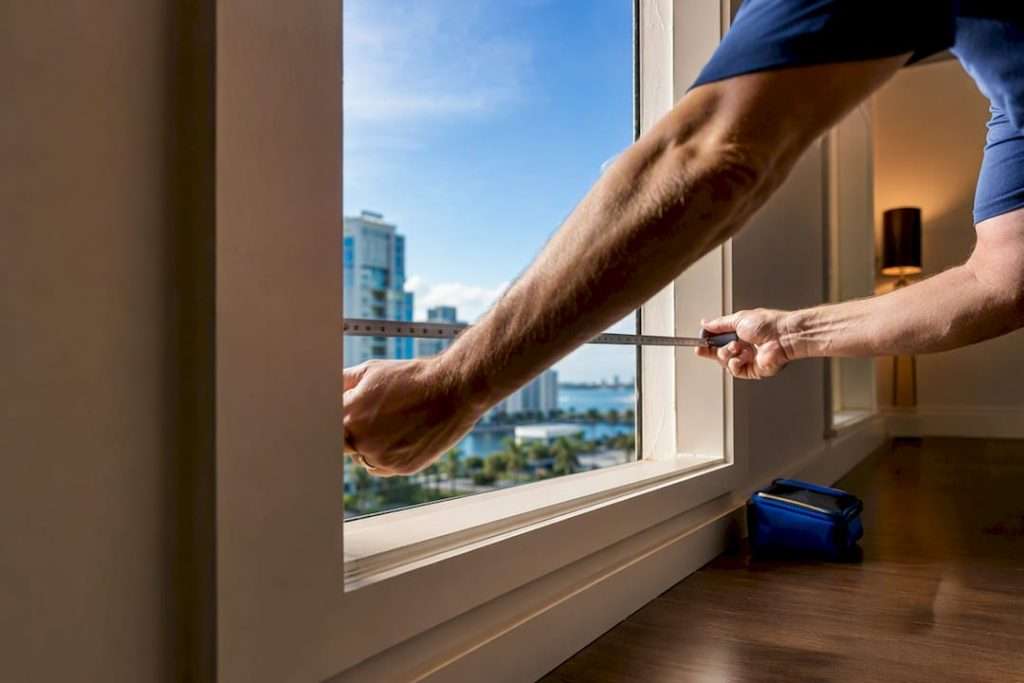
A professional measurement is the safer route whenever fit, warranty coverage, or tricky openings are on the line. Hiring a pro gets you a site inspection, three-point width and height readings, a frame depth check, and a written measurement report with photos. Simple, square, good-condition openings are the one case where a careful DIY measurement can work, but a final professional verification before you order custom blinds or shades still protects you.
TL;DR:
- Professional measurement involves multiple detailed inspections, three-point width and height readings, and documentation of any out-of-square conditions, reducing errors.
- Tools like a steel tape measure, level, and photos ensure accuracy, and preparation such as clearing obstructions speeds up the process.
- Accurate step-by-step measurement includes taking the smallest of three readings for width and height, checking frame depth, and measuring both diagonals within 1/4 inch variance.
- Documentation with labeled room and window IDs, photos, and signed reports helps prevent mistakes and coordinate fabrication properly.
- Hire a professional for irregular shapes, multiple openings, impact-rated windows, or if frames show damage, to avoid costly reorders caused by measurement errors.
What Does Professional Window Measurement Actually Involve?
Most in-home consultations typically last long enough for the measurer to inspect every opening, take multiple readings, and walk you through a written quote before leaving. That written quote should break down materials, labor, and installation costs so there are no surprises later, a standard practice described in professional consultation guidance.
During the visit, expect the measurer to check more than dimensions. A thorough inspection typically covers:
- How each window or door operates, including any sticking, warping, or misaligned tracks
- The condition of trim, sills, and casing, flagging rot or water damage before it becomes your problem
- Obstructions like blinds hardware, alarm sensors, or built ins that affect mount depth
- Permit or egress considerations on bedroom windows, where local code may restrict certain treatments or hardware
Pro Tip: Ask the measurer to note any out-of-square condition directly on your written report, even if it seems minor. That single line can save you an argument with a fabricator six weeks later.
The pro also verifies frame depth and squareness on-site, and any exception gets written down, not just mentioned in passing. That paper trail is what separates a professional window measurement from a quick guess with a tape measure.
What Tools Do Pros Use, and How Should You Prepare?
The toolkit is simpler than most homeowners expect, but each item earns its place. A professional measurer typically carries:
- A steel tape measure (cloth tapes stretch over time and throw off readings by a fraction of an inch, which matters on custom work)
- A folding rule or laser measure for tight corners and deep-set frames
- A four-foot level to check for square and plumb
- A stable ladder for second-story or oversized openings
- A phone or camera to document each opening with scale references
- A labeled measurement worksheet that ties every reading to a specific window ID
You can speed things along by clearing furniture and window treatments away from each opening before the visit and making sure ladder access to upper windows is safe and unobstructed. If you want existing blinds or curtains removed ahead of time, just say so when you book.
Pro Tip: Snap your own quick photo of each window before the visit and jot the room name on it. It takes two minutes and gives the measurer a head start if anything needs a second look.
How Do Professionals Measure a Window Step by Step?
Every professional window measurement follows the same disciplined sequence, whether the opening is a standard double hung or an oddly shaped transom. Skipping a step is where reorders come from.
- Measure width three times. Take width readings at the top, middle, and bottom of the opening, then use the smallest number. Frames shift slightly with age and settling, and the smallest reading guarantees the treatment clears the frame.
- Measure height three times. Do the same on the left, center, and right sides, again recording the smallest figure.
- Round to the right precision. Field measurements for planning purposes round to the nearest 1/8 inch, but custom fabrication demands accuracy to 1/16 inch. Professional installers stress this three-point method precisely because a single measurement, taken once, misses the small variances that cause a headache later.
- Check frame depth. Measure how deep the frame is at the top of the opening. Insert-style products generally need a minimum depth, often cited around 3-1/4 inches, and a shallower frame calls for a conversation with your fabricator before anything gets built.
- Measure both diagonals. Run a tape corner to corner in both directions. If the two readings differ by more than about 1/4 inch, the opening is out of square and needs custom sizing or shimming during install.
- Decide inside versus outside mount. An inside mount uses the width and height of the opening itself; an outside mount requires measuring the surface around the frame, since the treatment overlaps the trim. Outside mounts are typically required when depth is too shallow for an inside mount or when you want more complete light blockage.
- Record everything in a consistent format. Width by height, in that order, with units and orientation noted, plus any manufacturer-specified deductions applied before the order goes in.
| Measurement | What it checks | Typical tolerance |
|---|---|---|
| Width (3 points) | Frame consistency side to side | Use smallest reading |
| Height (3 points) | Frame consistency top to bottom | Use smallest reading |
| Frame depth | Room for mounting hardware | Minimum around 3-1/4 in for inserts |
| Diagonals (both) | Square vs. out-of-square opening | Flag if difference exceeds 1/4 in |
How Should Measurements Be Documented and Labeled?
Documentation is what turns a measurement into evidence. Every window gets an ID tied to its room or orientation, such as “Kitchen, North Wall” or “Bedroom 2, Window A,” and that ID follows the opening through fabrication and installation. Many professional measurers back this up with photos that include the tape measure in frame, which prevents any confusion about which number belongs to which window.
A complete measurement report should include:
- Working width and height for each labeled opening
- Frame depth and any diagonal discrepancy noted
- Mount type (inside or outside) and manufacturer deductions applied
- A signature or acceptance line confirming the homeowner reviewed the numbers before fabrication begins
That signed record shifts responsibility for fit from you to the installer, which functions like an insurance policy against an expensive custom reorder. It also gives the workroom exactly what it needs, since fabricators building from a labeled report with photos rarely have to call back and ask what “the bedroom window” means.
When Should You Always Hire a Professional Measurer?
Some situations leave little room for a DIY attempt. Bring in a professional when you’re facing:
- Openings where the diagonals differ by more than 1/4 inch, indicating an out-of-square frame
- Arched, angled, or otherwise irregularly shaped windows
- A whole-house project with a dozen or more openings, where one bad measurement can stall the entire order
- Bedroom or egress windows where permit rules affect what hardware or coverage is allowed
- Visible frame damage, rot, or deferred maintenance
- Impact-rated or hurricane windows, which often have tighter frame tolerances
A comparison of DIY versus professional measurement found that professionals meaningfully reduce accuracy risk and absorb liability for mistakes, while DIY measuring only saves you the visit fee. Weigh that fee against the real cost of a reorder: a single mis-measured window on a multi-room project can delay the whole job by several weeks while replacement units get remade. DIY measuring is fine for a single, simple, square opening in solid condition, but a quick professional verification before ordering custom units is still worth requesting.
What Measurement Mistakes Cause the Most Reorders?
The same handful of errors show up again and again, and nearly all of them are avoidable. Watch for:
- Using a cloth or fabric tape, which stretches and drifts out of accuracy over repeated use
- Measuring the glass only instead of the full frame opening
- Taking one width and one height reading instead of three of each
- Skipping the depth check or diagonal measurements entirely
- Rounding up “to be safe,” which almost always produces a treatment that doesn’t clear the frame
Pro Tip: If you’re double-checking a contractor’s numbers, take your own three readings on width and height and compare the smallest value to theirs. A gap of more than 1/8 inch is worth a phone call before the order ships.
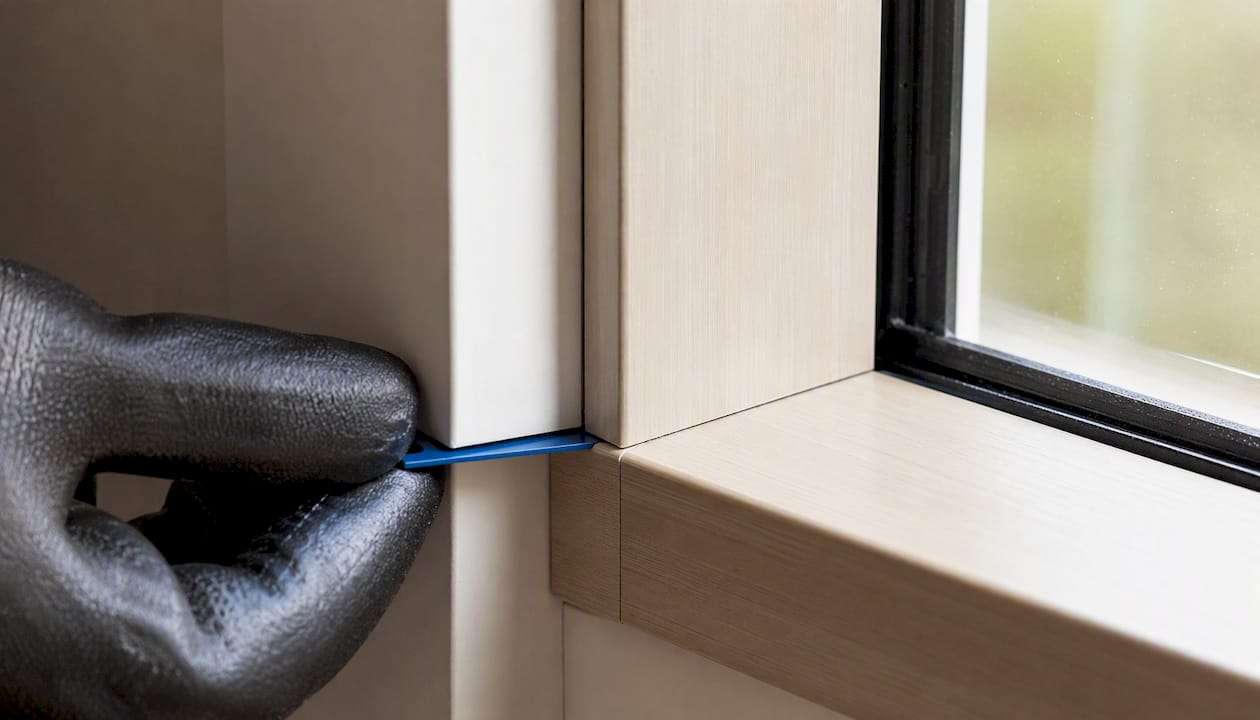
Minor irregularities don’t always mean starting over. Installers routinely correct small out-of-square conditions with shims, adjust seals for a tighter fit, or add custom trim to hide a gap, provided the discrepancy was documented at measurement time rather than discovered during installation.
What Does 30+ Years of Fabrication Experience Change?
A reputable company has fabricated custom window treatments onsite in the Tampa Bay area for more than 30 years, completing thousands of residential and commercial projects along the way. That onsite control matters because the same team that measures your windows also builds the product, which closes the gap between field measurement and workroom fabrication that causes most reorders elsewhere.
Accurate measurement isn’t just paperwork. It’s what keeps a Roman shade from binding against the frame and what lets a motorized shade perform as intended for light and heat control, since even a well-made product underperforms if it’s sized wrong for the opening.
When you’re vetting any measurer, ask these questions:
- Will you provide a written measurement report with photos for each window?
- What tolerance do you work to for custom fabrication versus general planning?
- How do you document and communicate an out-of-square opening?
A Craftsman’s View on Getting the Numbers Right
Measurement is where craftsmanship actually starts, not a formality before the fun part begins. A shade that hangs level, a drapery panel that clears the sill by exactly the right margin, a shutter louver that closes without binding: those details trace straight back to a tape measure and a careful hand, long before any fabric hits a cutting table. Customers rarely comment on the measuring process itself, but they notice its results immediately in how smoothly a shade rolls, how flush a mount sits against the wall, and how finished the whole room looks once the treatment is hung. Every installation ends with a walkthrough where you confirm operation and fit before we call the job complete.
— The Drapery Company
Ready for an In-Home Measurement That Gets It Right the First Time?
You’ve seen what separates a careful professional window measurement from a guess with a tape measure. That’s exactly what an in-home consultation with The Drapery Company delivers: a full inspection, three-point width and height readings, a frame depth check, and a written report with photos, all handled by the same team that fabricates your treatments onsite in our Tampa Bay workroom. Because measurement, fabrication, and installation all happen under one roof, there’s no handoff where details get lost between the person who measured your window and the person who built the shade.
Request your in-home consultation through our residential services page, or browse custom window treatments to see the styles available before your visit. Many consultation fees are credited toward your final order once you move forward, so scheduling one costs you nothing but the time it takes to walk through your home with us.
Sources
For readers who want to dig further into the standards and reasoning behind this guide, these sources cover the ground in more depth:
- What to Expect During a Window Consultation — Icon Window & Door
- How to measure replacement windows — Raleigh Window Company
- DIY vs. Professional Window Measuring — TSC Windows
FAQ
How Do I Get Accurate Window Measurements?
Measure width at the top, middle, and bottom of the opening and height at the left, center, and right, then use the smallest reading from each set. Add a frame depth check and both diagonal measurements to catch out-of-square conditions before ordering, and round to 1/8 inch for planning or 1/16 inch for a custom fabrication order.
If My Window Is 34 Inches Wide, What Size Blinds Do I Need?
The blind size depends on mount type, not just the raw opening width. For an inside mount, manufacturers typically deduct a small amount from your measurement to allow clearance, while an outside mount adds extra width beyond the frame for full coverage, so the exact deduction depends on the specific product line you choose.
Does Home Depot Do Window Measurements?
Some big box retailers offer paid measurement services tied to their own product lines, but coverage and pricing vary by location. For custom drapery, shades, or shutters, a specialty fabricator that measures and builds the product in the same workroom generally offers tighter coordination between the field measurement and the finished piece.
What Is the Standard Measurement for a Window?
There is no single “standard” window size. Openings vary by home age, builder, and window style, which is exactly why a three-point measurement taken on-site, rather than a generic chart, determines the correct dimensions for your custom treatment.
Is a Professional Measurement Worth the Fee for a Single Window?
For one simple, square, good-condition opening, a careful DIY measurement can work if you follow the three-point method and check both diagonals. Even then, a quick professional verification before placing a custom order reduces the risk of an expensive reorder caused by a missed depth or squareness issue.