

1%–10% Revealed: Solar Shade Openness and the Specs to Demand
September 11, 2026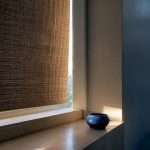
Avoid Edge Light: Woven Wood Shades Made to Measure
September 13, 2026
The defining shift for 2026 is tailored warmth paired with practical smart integration: motorized shades that operate quietly and safely, layered treatments that mix texture with function, and natural fabrics replacing synthetic minimalism. Homeowners chasing an updated look benefit most by focusing on comfort and efficiency, not just aesthetics. Experienced fabricators of custom window treatments in the Tampa Bay area, these are the changes worth your attention this year.
TL;DR:
- Motorized shades are now standard in most homes, with battery, hardwired, hem-bar, and drapery-track options tailored to specific installation needs.
- Natural fabrics like linen, cotton, bamboo, and woven wood are preferred for their texture, aging well, and ability to handle warm neutral tones, especially in living spaces.
- Layered window treatments combining shades, sheers, and drapery create better light control and visual interest, with outside mounting enhancing room perception.
- Traditional and formal silhouette treatments such as ripple fold, pinch pleats, and simplified valances are returning, emphasizing clean lines and proportional scale.
- Outdated treatments like vinyl blinds, honeycomb shades, lace curtains, puddling drapery, and tie-top styles should be replaced with woven fabrics, Roman or blackout shades, and streamlined designs.
Window Treatment Trends 2026: Smart and Motorized Options Lead
Motorized shades have moved from luxury add-on to a standard request in most of our consultations, and reporting from Martha Stewart confirms the shift is happening nationwide because of convenience, energy scheduling, and child safety. Cord-free operation removes strangulation hazards for homes with kids or pets, and scheduled shading trims cooling costs during Florida’s brutal summer afternoons.
You’ll typically choose between a few motor types:
- Battery drives for retrofits or rooms without easy wiring access.
- Hardwired motors for permanent installations with heavy or oversized shades.
- Hem-bar motors that place the drive at the bottom of the shade rather than inside the headrail.
- Drapery-track motors for full traverse curtains on wide or high windows.
Pro Tip: Ask your installer about hem-bar placement on retrofit shades. Installers favor it because it simplifies future servicing and keeps manual override workable during a power outage, according to the team behind Motoryse’s retrofit automation launch. Explore our motorized blinds and shades options or compare battery-operated motorized shades if rewiring isn’t an option for your home.
Natural Fabrics and Woven Materials Are Replacing Synthetic Minimalism
Linen, cotton, bamboo, and woven wood dominate the fabric conversations we’re having with clients this year. Designers surveyed by Good Housekeeping point to texture, not pattern, as the primary way rooms gain visual interest in 2026. Natural fibers age well, take dye beautifully in warm neutral tones, and soften a room in a way that vinyl or polyester blends never quite manage.
Room-by-room, the choice matters:
- Bathrooms and kitchens need moisture-resistant woven woods or treated cotton blends, not raw linen.
- Bedrooms and living rooms are where unlined linen and heavier cotton weaves shine, especially layered over a base shade.
- South-facing windows call for fabrics with some UV resistance since natural fibers can fade faster than synthetics under direct Florida sun.
Pair these textures with warm neutrals, soft clay tones, or deep greens to keep the look current rather than beige-on-beige, as showcased in witchy home decor ideas that blend alternative aesthetics with natural elements. Our bedroom window design ideas page shows several of these fabric pairings in context.
How to Layer Shades, Sheers, and Drapery the Right Way
Layering solves the single biggest complaint homeowners bring us: a window that looks flat or does just one job. Combining a base shade with sheers and drapery gives you light control, privacy, and texture all in one frame, and it’s why layered ensembles show up repeatedly in designer trend roundups for 2026.
- Measure the window and wall space, including how far drapery hardware needs to extend beyond the frame.
- Select a functional base layer, usually a Roman shade or woven shade for privacy and light filtering.
- Add sheers if you want diffused daylight without a full shade drop.
- Finish with drapery panels sized to the room, mounted outside the window frame for the fullest look.
Outside mounting matters more than most homeowners expect. Mounting a Roman shade outside the window frame instead of inside it makes the window read larger and closes the light gaps that inside-mount shades leave along the edges, a detail designers specifically call out for 2026 rooms.
Pro Tip: Use a single continuous bracket system across layered treatments instead of stacking separate hardware. It keeps the stack depth shallow and the operation smooth. Our guide to layered window treatments walks through hardware choices in more detail.
Tailored Silhouettes Are Back, Reinterpreted for 2026
Valances, cornices, ripple fold, and pinch pleats are returning after years of stripped-down minimalism, but the versions we’re fabricating now look nothing like the fussy treatments of a decade ago. Designers describe this as a modern-traditional revival, where structured details get a simplified, less ornate treatment, a trend echoed in The Spruce’s coverage of 2026 window styles.
- Ripple fold gives drapery a clean, wave-like stack that suits contemporary and transitional rooms alike.
- Pinch pleats work best in traditional or formal spaces where you want visible structure at the top of the panel.
- Cornices and valances now favor simplified trim and a single fabric rather than layered contrast bands.
Scale is what separates a current look from a dated one. Oversized, heavily trimmed valances read as outdated; a slim, well-proportioned cornice in a linen blend reads as intentional. Floor-length drapery still suits formal living rooms, while shorter, sill-length panels fit better over furniture in a breakfast nook or home office.
Minimalist Shades Still Earn Their Place
Roller shades and zebra shades haven’t gone anywhere, and they shouldn’t. When a room’s real priority is the view, clean-lined minimalist shades keep the window from feeling busy while still controlling glare and privacy.
- Roller shades work best in home offices, kitchens, and modern bedrooms where low visual weight matters most.
- Zebra shades (alternating sheer and opaque bands) suit rooms that need flexible light control without full drapery.
- Both pair well with a textured drapery panel layered on top, giving you the clean function of a minimalist shade with the warmth of 2026’s fabric trends.
Quality construction is what keeps these staples from feeling like a builder-grade afterthought. A well-fabricated roller shade in a nice woven texture, sized precisely to the window, still looks intentional a decade from now.
Dated Window Treatments to Retire in 2026 (and What to Swap In)
Designers are consistent about what needs to go. The Spruce lists vinyl blinds, honeycomb or cellular shades, lace and floral café curtains, puddling drapery, and tie-top or ribbon-top curtains as the treatments most in need of retirement this year.
- Vinyl blinds trap dust and look cheap next to today’s woven and fabric options; swap for a woven wood or roller shade.
- Honeycomb shades still insulate well but read as dated and collect dirt in the pleats; a flat Roman or blackout shade paired with lined drapery gets similar insulation without the aesthetic cost.
- Puddling drapery creates a tripping hazard and a dust trap; contemporary panels stop just above the floor.
- Lace or floral café curtains feel visually dated fast; a simple sheer panel or woven shade gives the same light filtering with a cleaner look.
You don’t need to replace an entire room at once. Swap drapery first since it changes the room’s feel most dramatically, then update the base shade when budget allows.
Turning 2026 Trends Into a Real Project: A Practical Checklist
Trends only matter once they fit your actual windows, budget, and daily routine. After fabricating many custom treatments onsite, projects that succeed tend to follow the same basic sequence, no matter how elaborate the final look.
- Measure precisely before choosing anything. A quarter-inch error at the top of a window can throw off an entire layered stack.
- Name the primary function first: blackout for a bedroom, insulation for a west-facing living room, or an unobstructed view for a home office.
- Choose fabric second, once function is set, so you’re not falling for a texture that can’t do the job the room needs.
- Decide on motorization early since it affects hardware selection and where power needs to run.
- Plan mounts and brackets before ordering drapery so layered treatments stack cleanly.
- Schedule installation with removal of the old treatments included, so there’s no gap between old and new.
Pro Tip: Budget for quality fabric and motor drives before spending extra on decorative hardware. The parts that touch the window every day are the parts worth upgrading first. Onsite fabrication and professional measurement matter here because a treatment ordered to slightly wrong dimensions never hangs, stacks, or operates the way the showroom sample did.
Beyond Motors: How Window Treatments Fit Into a Connected Home
Motorization gets most of the attention, but the real shift in 2026 is how shades and drapery now talk to the rest of a smart home instead of operating on their own schedule. Many motorized systems now sync with existing smart hubs, so a single voice command or app tap can lower shades, dim lights, and adjust the thermostat together rather than as separate actions.
Sunlight and temperature sensors are showing up more often paired with shading systems, closing shades automatically when a room’s west-facing windows start pulling in afternoon heat. That’s a meaningful efficiency gain in Florida homes, where afternoon sun through unshaded glass can spike cooling costs fast. Some systems also tie into home security setups, raising or lowering shades on a schedule that mimics occupancy when a homeowner is traveling.
None of this requires a full smart-home overhaul to be useful. A single motorized shade on a sunny window, connected to a basic hub, still delivers most of the energy and convenience benefit without the complexity of wiring an entire house. The mistake we see most often is homeowners assuming smart integration means an expensive whole-home system when a targeted, room-by-room approach usually solves the actual problem: too much heat, too little privacy, or a shade nobody wants to walk across the room to adjust by hand.
Customization Is the Real Trend Under All the Others
Every trend covered so far, from natural fabrics to tailored silhouettes to motorization, points toward the same underlying shift: homeowners want treatments built for their specific window, not a stock size pulled off a shelf. That’s a meaningful change from the mass-market blinds era, where “customization” often meant choosing a color from a limited catalog.
Real personalization in 2026 shows up in several layers. Fabric choice now extends well past color into weave, weight, and lining options that change how a room feels and functions. Trim details, ripple fold spacing, and pleat style let two rooms use the same base fabric but read completely differently. Hardware finish, from brushed brass to matte black, has become its own decision point rather than an afterthought bundled with the shade.
Motorization adds a newer layer of personalization too: choosing which windows get automation and which stay manual, based on how a room is actually used rather than a blanket rule for the whole house. A nursery window might prioritize cord-free safety above all else, while a formal dining room might skip motorization entirely in favor of decorative drapery that’s rarely touched.
The practical takeaway is to resist the urge to copy a single showroom look wholesale. The trend itself is toward treatments built around your windows, your light, and your daily habits, which is a very different goal than matching a catalog photo.

How the Right Window Treatments Reshape a Room’s Whole Feel
Window treatments do more design work than almost any other single element in a room, and 2026’s shift toward layered, textured treatments is changing how rooms read overall. A room with bare or minimally dressed windows tends to feel unfinished no matter how good the furniture is, while a well-layered window anchors the whole space.
Texture is doing a lot of that work this year. Warmer neutrals and woven materials soften rooms that leaned cold and minimal for the past several years, and that softening effect changes a room’s ambiance more than most homeowners expect from a single design choice. A living room with linen drapery and a woven wood base shade reads warmer and more lived-in than the same room with a bare aluminum blind, even with identical furniture.

Tailored silhouettes are having a similar effect on formality. Ripple fold and pinch-pleat drapery bring a level of polish back into rooms that spent the last few years leaning heavily casual, without tipping into the fussiness of older traditional styles. That balance, structured but not stiff, is exactly why designers keep describing 2026 as a modern-traditional revival rather than a return to anything.
The net effect across a home is consistency. When window treatments share a material logic (warm textures, tailored details, thoughtful layering) room to room, the whole house feels more considered even if each room serves a completely different function.
Editorial Perspective: Comfort Is Driving Every Trend on This List
Every trend covered here traces back to the same instinct: homeowners want their homes to feel settled, not staged. Warmer textures and tailored silhouettes aren’t nostalgia, they’re a preference for materials that age well and rooms that feel lived-in rather than showroom-perfect. Motorization has stopped being a luxury flex and become a safety and efficiency decision, which is exactly how it should be treated. Our advice: prioritize function room by room, and spend where it shows, fabric, fit, and finish, before chasing every trend at once.
— The Drapery Company
Get 2026-Ready Window Treatments Without the Guesswork
Reading about ripple fold and hem-bar motors is one thing; getting the fit, fabric, and motorization actually right in your own home is another. Onsite fabrication makes the real difference: treatments are cut and built locally, to exact measurements, instead of shipped from a factory sizing chart. Custom design, professional measurement, fabrication, motorized installation, and removal of old treatments can be handled as part of the same visit.
That full-service approach matters most on exactly the trends covered above: outside-mounted Roman shades that need precise measurement to look right, layered drapery that requires correctly placed hardware, and motorized shades that need proper power planning before installation day. Explore our full range of window solutions or browse blinds, shades, and shutters to schedule a consultation and get a custom quote for your home.
Sources
- The Top Window Treatment Trends for 2026, According to Designers
- 8 Window Treatment Trends That Will Dominate 2026
- Motoryse launch / retrofit automation in professional channel
FAQ
What window treatments are out of style in 2026?
Vinyl blinds, honeycomb or cellular shades, lace and floral café curtains, puddling drapery, and tie-top curtains are the styles designers say to leave behind this year.
Are motorized shades worth it for a regular home, not just luxury projects?
Yes. Motorized shades now deliver real energy savings through scheduled shading and remove cord hazards for homes with kids or pets, which is why reporting on 2026 trends describes them as mainstream rather than a luxury extra.
Should drapery touch the floor?
No. Contemporary drapery stops about one-quarter of an inch above the floor to avoid dust buildup and tripping hazards while still looking tailored.
What’s the best way to combine shades, sheers, and drapery?
Start with a functional base shade for privacy, add sheers if you want diffused daylight, and finish with outside-mounted drapery panels sized to make the window look larger.
Is linen a practical fabric choice for window treatments?
Linen suits bedrooms and living rooms well, but it fades faster under direct sun and needs moisture-resistant alternatives like treated cotton or woven wood in bathrooms and kitchens.


