Skip Ladders: Motorized Hard to Reach Window Treatments for Homeowners
September 18, 2026
Homeowners: 1/16 inch Precision From Professional Window Measurement
September 20, 2026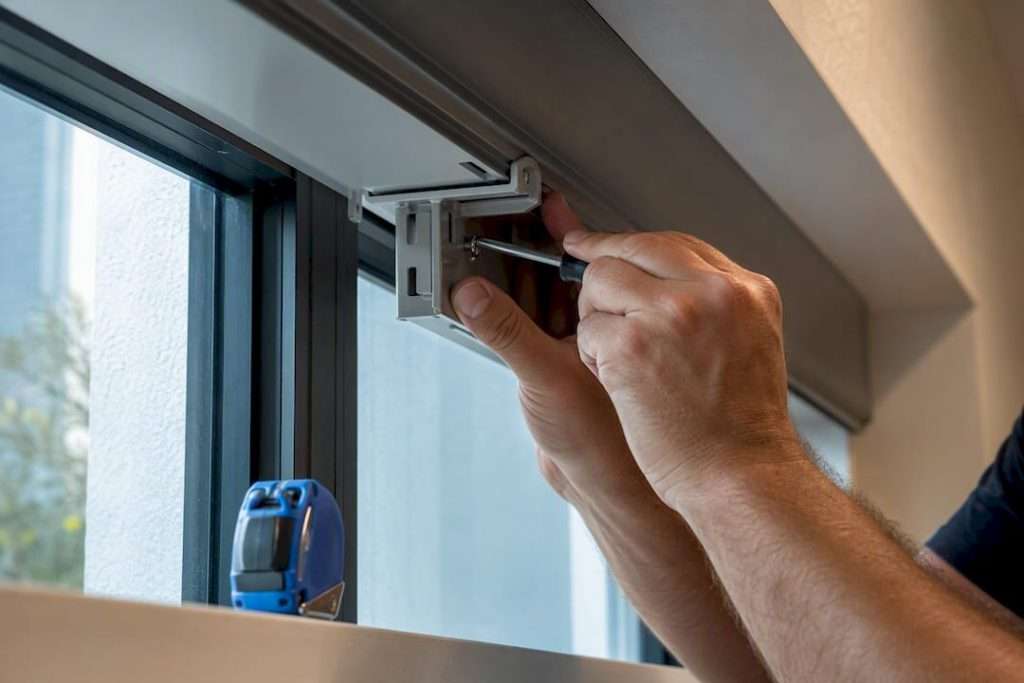
Most window treatment warranties cover manufacturing defects in fabrics, hardware, and mechanisms for anywhere from one year to a limited lifetime, but almost none of them cover labor, accidental damage, or fading from Florida sun exposure. Many “lifetime” warranties are narrower than they sound and apply only to the original purchaser. The single most important step is registering your purchase, saving your invoice, and confirming upfront whether your installer or the manufacturer handles repairs.
TL;DR:
- Most window treatment warranties exclude labor, accidental damage, fading from sunlight, and environmental effects like coastal salt air.
- “Limited lifetime” coverage usually applies only to the original owner in their primary home, with many components having shorter, prorated warranties.
- Proper registration, documentation, and professional installation are crucial to ensure warranty validity and simplify claim processes.
- Warranty claims are often denied due to post-installation damage, DIY modifications, improper installation, or environmental exposure, not product defects.
- Choosing local installers with in-house fabrication and ongoing repair services can greatly improve the chances of a successful warranty claim.
What Do Window Treatment Warranties Typically Cover?
A window treatment warranty is really a bundle of smaller warranties stitched together, one for each component, and they rarely run on the same clock. Fabric, slats, frames, hardware, motors, and finishes each carry their own coverage terms, and understanding that breakdown is the difference between a smooth claim and a frustrating phone call.
Here’s how coverage typically breaks down by component:
- Fabrics and finishes: Often covered for one to five years against defects, but color fading from sun exposure is almost always excluded.
- Frames and slats: Structural materials frequently carry longer terms, sometimes limited lifetime coverage on select parts.
- Hardware (brackets, tracks, chains): Usually mid-range coverage, five to fifteen years depending on the brand.
- Motorized components: Motors and electronics often carry shorter, separate warranty periods, commonly three to five years, even when the fabric warranty on the same shade runs decades longer.
“Limited lifetime” is the phrase that trips up the most homeowners. It typically means the warranty lasts as long as you own the original product and live in the original home, not forever, and not for whoever buys the house from you. A review of window warranties found coverage for components like insulating glass seals ranges from nothing at all to true lifetime protection, with wide inconsistency between manufacturers on nearly identical products.
Prorating is the other quiet catch. Many manufacturers reduce the reimbursement percentage the longer you’ve owned the product, so a shade that fails in year eight of a ten-year warranty might only qualify for a partial refund or store credit, not a full replacement. And in nearly every case, labor to remove and reinstall the failed component is billed separately unless your installer built that into their own service agreement.
What Voids a Window Covering Warranty?
Warranty denials rarely come from the product itself. They come from what happened to it after installation. Knowing the common triggers ahead of time saves you the frustration of a rejected claim months or years down the road.
The exclusions that catch homeowners off guard most often:
- Normal wear and tear: Cords fraying from years of daily use, or slats bending from repeated handling, are considered expected aging, not defects.
- Pet and accidental damage: A cat that shreds a cellular shade or a chair that snags a drapery panel falls entirely on the homeowner.
- Cosmetic issues: Minor color variation between dye lots or slight warping that doesn’t affect function is typically excluded outright.
- Environmental exposure: Salt air, extreme humidity, and coastal conditions are frequently called out as special exclusions in manufacturer warranty language, which matters directly if you live anywhere near Tampa Bay’s coastline.
- DIY or improper installation: A crooked mount, an oversized bracket load, or a botched motor wiring job voids coverage almost universally.
- Aftermarket modifications: Adding third-party hardware or window film after the fact can trigger a denial, though federal warranty law requires the manufacturer to actually prove the modification caused the failure before rejecting your claim outright.
Registration matters more than most people assume. Skipping it, or missing a manufacturer’s registration window, can quietly reduce your coverage even when the product itself failed through no fault of your own.
Pro Tip: Photograph the model number sticker or tag on every treatment the day it’s installed. If a claim ever comes up, that photo, timestamped and dated, is often the fastest way to prove the installation date without digging through old email receipts.
How Do You File a Warranty Claim on Blinds or Shades?
A denied or delayed claim usually comes down to missing documentation, not a hidden loophole. Follow these steps in order and you’ll cut weeks off the process.
- Gather your paperwork first. Locate the original invoice, the product or serial number, and take dated photos of the failure before you touch or move anything.
- Figure out who’s actually responsible. If the treatment fits poorly, hangs unevenly, or the motor was wired wrong, that’s likely a workmanship issue and your installer should be your first call, not the manufacturer’s customer service line.
- Submit the claim with full documentation. Register the product if you haven’t already, attach your proof of purchase and photos, and ask directly what remedy applies. Expect one of three outcomes: repair, part replacement, or a prorated refund. Budget for the possibility of a service fee for on-site inspection or labor, since most manufacturer warranties don’t cover either.
How to Compare Window Covering Warranties Before You Buy
The warranty length printed on a brochure tells you almost nothing about how a claim will actually go. What matters is what’s covered, who performs the repair, and how much friction stands between a broken shade and a fixed one.
Run through this checklist before you commit to any window treatment purchase:
- Does the warranty separate parts coverage from labor coverage, and if so, for how long?
- Do motorized components carry a shorter, separate warranty term than the mechanical parts?
- Is the warranty transferable to a new homeowner if you sell, or does it die with the original purchaser?
- What’s the registration window, and what happens if you miss it?
- Are there environmental exclusions relevant to your home, particularly coastal or high-humidity clauses?
- What ongoing maintenance does the manufacturer require keeping coverage valid?
Ask the dealer directly: “Does this cover labor for repairs? Is the warranty transferable? What documentation do you need, and what’s the typical claim timeline?” Their answers reveal more about your future experience than any warranty booklet will.
One analysis of window and covering warranties found small-print exclusions materially limit what “lifetime” actually means in practice, which is exactly why the decision rule matters: favor installers who commit to labor coverage for at least the first one to two years, even if the printed warranty term looks slightly shorter on paper.
Why Onsite Fabrication and Professional Installation Matter for Warranty Claims
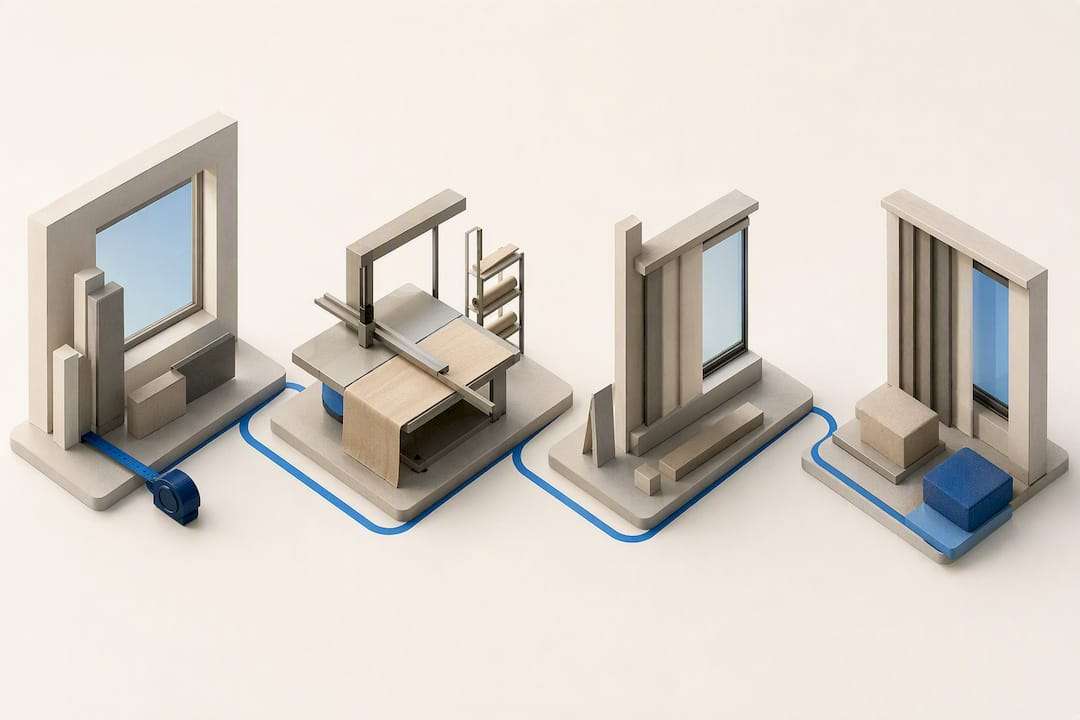
Installation quality is the single biggest factor in whether a warranty claim succeeds or gets denied. A shade that doesn’t fit the frame correctly, or a bracket load-rated wrong for the fabric weight, creates the exact kind of failure most manufacturers classify as installer error rather than product defect.
That’s the gap installer workmanship warranties exist to close, and it’s worth understanding before you sign anything:
- Onsite fabrication and professional measurement reduce sizing and mounting failures that lead to denied claims in the first place.
- Local repair capability means a broken component gets fixed in days, not weeks, without shipping parts across the country.
- Many experienced local installers fabricate products onsite and provide professional installation and old treatment removal as part of the service.
Choosing a custom local service over an off-the-shelf option often changes the entire warranty conversation, because the person who measured and installed your treatment is also the person you call when something goes wrong.
What Homeowners Should Prioritize First
If you take one thing from this, prioritize labor coverage and repair service over the number of years printed on the warranty card. A 25 year warranty with no local repair support is worth less than a 5 year warranty backed by a dealer who shows up. Register your purchase the day it’s installed, keep the invoice somewhere you won’t lose it, and choose an installer who keeps maintenance records, because that record becomes your evidence if a claim ever gets disputed.
— The Drapery Company
Get Warranty-Backed Custom Window Treatments in Tampa Bay
A warranty is only as good as the people standing behind it. Some local companies handle the process in house: in-home measurement, onsite fabrication, professional installation, and removal of old treatments, so the same team that measured your windows can assist if something needs adjusting. That end-to-end structure closes the gap that trips up most manufacturer-only warranties, where you’re stuck calling a call center for a problem your installer could have fixed in an afternoon.
Beyond initial installation, drapery and curtain repair services cover the maintenance and fixes that fall outside standard manufacturer coverage, from hemming adjustments to hardware repairs. If you’re planning a purchase and want a clear answer on coverage, labor, and long-term service before you commit, request an in-home consultation and get the specifics in writing.
Sources
- Surrogates for Product Performance Durability? A Review of Window Warranties
- What does a window warranty cover? Exclusions and claims – LegalClarity
- Sunbrella custom window treatments warranty (manufacturer document)
- How to Choose a Window Treatment Company | The Curtain
FAQ
How Long Does a Window Treatment Warranty Typically Last?
Coverage ranges from one year on entry-level products to a limited lifetime on select components, but the term almost always varies by part. Motors and electronics commonly carry a separate three to five year term, even when the frame or fabric warranty runs much longer.
What Should I Do if a Company Won’t Honor My Warranty?
Start by requesting the denial in writing with the specific exclusion cited, then compare it against your original documentation and photos. If an aftermarket product is blamed, the manufacturer generally has to prove that product caused the failure before denying your claim outright.
What If My Blinds or Shades Stop Working After Installation?
Check first whether the issue looks like a defect (a motor that won’t respond, a mechanism that jams) or a fit problem (uneven mounting, brackets pulling loose). Fit issues typically point to the installer, while mechanical failures point to the manufacturer, and contacting the installer first is usually the faster path when workmanship might be involved.
How Do I Get a Warranty Replacement for Existing Blinds?
Locate your original invoice and the product’s model or serial information, then register the claim through whichever party, installer or manufacturer, actually issued the warranty. Expect the outcome to be repair, part replacement, or a prorated refund depending on the product’s age and remaining coverage term.
Does The Drapery Company Offer Repair Services Beyond the Manufacturer Warranty?
Yes. The Drapery Company provides drapery and curtain repair, including hemming and hardware fixes, for issues that fall outside standard manufacturer coverage. Current pricing for repairs and custom installations is available through a direct consultation request.